
Key Takeaways
- Buyers make purchasing decisions based on emotion and justify them with logic; staging taps directly into this buyer psychology.
- The “halo effect” caused by good staging leads buyers to perceive the entire property as well-maintained, reducing their anxiety.
- Industry statistics show that staged homes can sell for 5% to 23% more than unstaged homes and spend significantly less time on the market.
- Depersonalization and strategic furniture arrangement help buyers mentally project themselves living in the space.
- Sensory elements like lighting, neutral paint colors, and clean scents are critical for creating a welcoming, aspirational environment.
When it comes time to sell, many homeowners focus entirely on the physical facts of their property: the square footage, the age of the roof, and the number of bedrooms. While these details matter, they are rarely what actually closes the deal. Buyers don’t just buy a house; they buy a feeling. They are purchasing the lifestyle they imagine living within those walls.
This is why perception matters when selling a home. The way a buyer feels when they walk through your front door directly influences how much they are willing to pay. Strategic staging services tap into the science of buyer psychology, transforming empty or personalized rooms into aspirational spaces. Staging is not merely decorating; it is a calculated marketing tool designed to shift perception and maximize your return on investment.
The Science of Buyer Psychology: Emotion Drives Decisions
Real estate transactions are heavily influenced by emotional decision-making. When a buyer tours a home, they are subconsciously evaluating whether the space feels safe, comfortable, and aspirational. This emotional response is driven by psychological principles that professional stagers leverage to present your property in its best light.
Anchoring Bias and the Power of First Impressions
Anchoring bias occurs when individuals rely too heavily on the first piece of information they receive. In real estate, the “anchor” is often the first 30 seconds of a home tour. If a buyer walks into a bright, beautifully staged living room, that positive initial perception anchors their entire experience. They will proceed through the rest of the home looking for reasons to validate their positive feelings, often minimizing minor flaws.
The Halo Effect in Home Staging
The halo effect is a cognitive bias where a positive impression in one area influences opinions in other areas. A well-staged home signals to buyers that the property is meticulously cared for. If the furniture arrangement is thoughtful and the decor is pristine, buyers subconsciously assume the plumbing, electrical, and structural elements are equally well-maintained. This perception of quality reduces buyer anxiety and increases their willingness to submit a strong offer.
Staging Statistics: The ROI That Speaks for Itself
The psychological impact of staging translates directly into financial gain. Industry data consistently demonstrates that staged homes outperform unstaged homes across all market conditions.
Price Impact: Higher Offers
Staging is one of the most reliable ways to increase your final sale price. According to the National Association of Realtors (NAR), 29% of sellers’ agents reported that staging increased the dollar value offered by 1% to 10%. Other industry research indicates that 85% of staged homes sold for 5% to 23% over their listing price. For a $1,000,000 property, a conservative 5% increase yields an additional $50,000, far exceeding the cost of the staging itself.
Time on Market: Selling Faster
Time is money in real estate. The longer a home sits on the market, the more likely buyers are to assume something is wrong with it, leading to lowball offers. Staged homes create immediate visual appeal in online listing photos, driving more foot traffic to the property. Research shows that staged homes can sell up to twice as fast as their unstaged counterparts, reducing carrying costs and the stress of prolonged showings.
| Staging Metric | Typical Impact | Financial Benefit |
| Sale Price Increase | 1% to 23% higher offers | Significant ROI on staging investment |
| Time on Market | Sells up to 2x faster | Reduced carrying costs (mortgage, taxes) |
| Online Appeal | Increased click-through rates | More showings and competitive offers |
| Buyer Perception | Viewed as “move-in ready” | Fewer inspection negotiations |
How Staging Helps Buyers Envision Themselves
One of the primary goals of pre-sale home preparation is to remove the current homeowner from the equation. If a buyer walks into a home filled with family portraits, eccentric collections, and highly personalized decor, they feel like a guest in someone else’s house.
Depersonalization: Creating a Blank Canvas
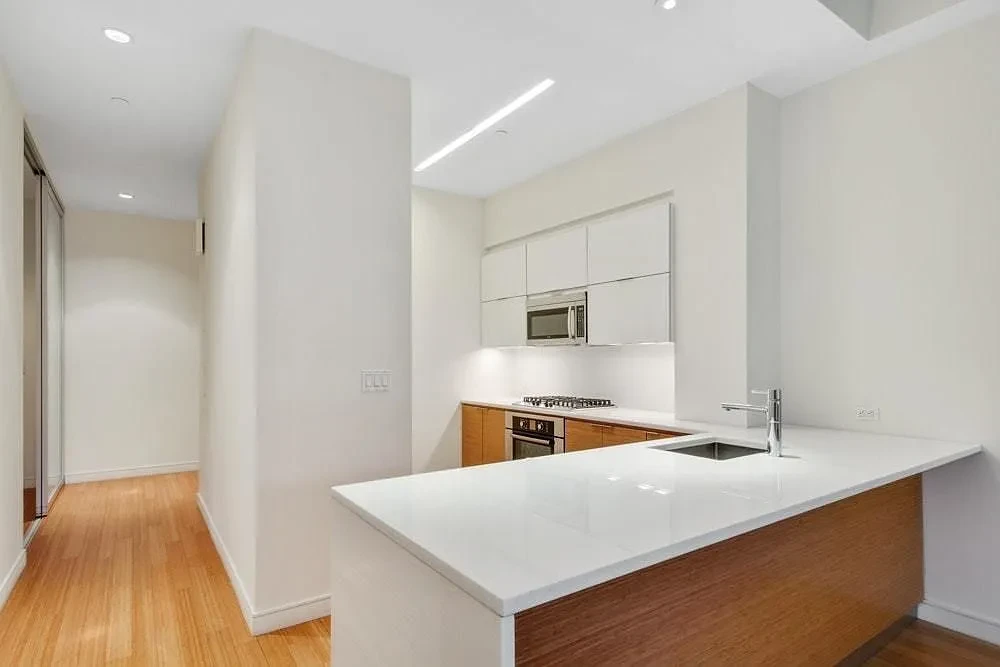
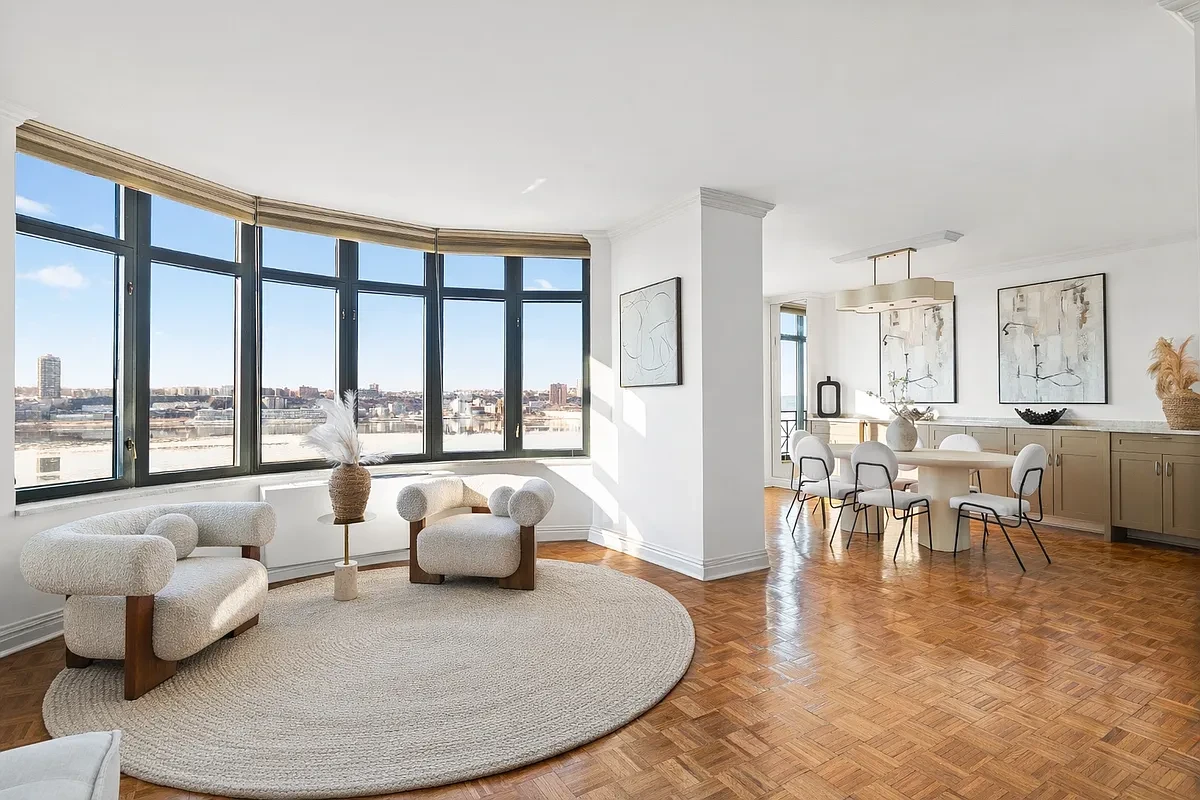
Effective staging begins with depersonalization. By removing personal items and neutralizing the decor, you create a blank canvas. This allows buyers to mentally project their own lives onto the space. They can imagine their own family gathering in the dining room or their own art hanging on the walls.
Decluttering and Spatial Perception
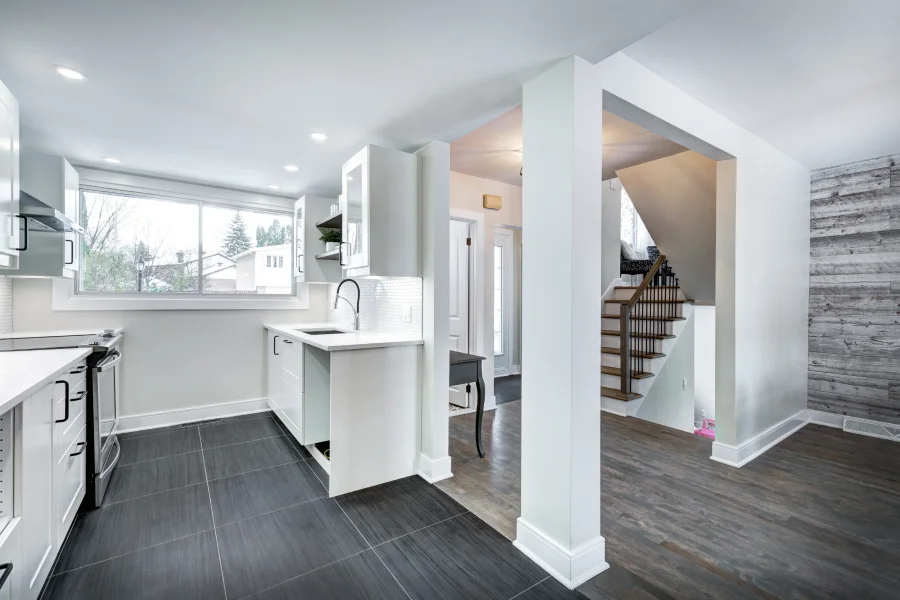
Clutter eats equity. A room crowded with oversized furniture feels small and cramped. Professional staging involves strategic furniture arrangement to create open pathways and highlight the room’s functionality. By scaling the furniture appropriately, stagers manipulate spatial perception, making rooms feel larger, brighter, and more inviting.
The Sensory Elements of Effective Staging
Staging is a multi-sensory experience. While visual appeal is paramount, other sensory elements play a crucial role in shaping buyer perception.
Lighting: Brightness Equals Perceived Value
A well-lit home feels more welcoming and spacious. Staging maximizes natural light by removing heavy drapery and strategically placing mirrors to reflect light into darker corners. A combination of overhead, task, and accent lighting ensures the home feels bright and cheerful, even on overcast days.
Color Psychology: Neutral Tones and Emotional Response
Color profoundly impacts mood. While a bright red dining room might reflect your personal style, it can evoke anxiety or distraction in buyers. Professional interior painting in soft, neutral tones such as warm whites, light grays, and soft beiges creates a calming environment that appeals to the widest possible audience.
Scent: The Overlooked Sensory Trigger
Smell is strongly tied to memory and emotion. Unpleasant odors from pets, cooking, or dampness will instantly kill a sale. Conversely, subtle, clean scents like fresh linen or mild citrus create a subconscious sense of comfort and cleanliness, reinforcing the perception of a well-maintained home.
Professional Staging vs. DIY Staging
While decluttering and cleaning are essential first steps, professional listing preparation services elevate a property to a level that is difficult to achieve with DIY efforts. At Revamp To Sell, our strategic approach to staging is grounded in market research and buyer psychology. We coordinate seamlessly with our licensed and insured partners to execute every detail of our process, ensuring your home is presented flawlessly. By investing in professional staging, you aren’t just renting furniture; you are investing in the psychological perception that drives top-tier offers.
Frequently Asked Questions
Does staging really increase home value and sale price?
Yes. Staging directly influences buyer perception, which drives offer price. According to industry research, staged homes frequently sell for 5% to 23% over their listing price compared to unstaged properties.
What’s the difference between staging and decorating?
Decorating is about personalizing a space to reflect the current owner’s tastes. Staging is the exact opposite. It is a marketing strategy designed to neutralize the space and appeal to the broadest possible pool of potential buyers.
Should I stage my home if it’s already clean?
Yes. A clean home is essential, but an empty or poorly furnished clean home lacks emotional appeal. Staging provides scale, demonstrates the functionality of awkward spaces, and creates the aspirational lifestyle that motivates buyers to make strong offers.
How does staging impact buyer psychology?
Staging leverages psychological principles like the halo effect and anchoring bias. When buyers see a beautifully presented home, they subconsciously assume the hidden elements (like plumbing and structure) are equally well-cared for, which builds trust and confidence in the purchase.