The biggest DIY pre-sale prep mistakes often involve spending money on unnecessary upgrades instead of essential repairs. Homeowners frequently assume that completely renovating a property will guarantee a higher sale price.
In reality, many major improvements fail to recoup their full cost. This article helps NYC homeowners understand what not to fix when selling a house so they can prioritize practical DIY home repairs and avoid costly errors.
Key Takeaways
- Focus on mandatory structural and safety repairs to keep the property lendable.
- Avoid major discretionary overhauls like luxury kitchen or bathroom remodels.
- Simple cosmetic updates and professional staging offer the best return on investment.
What Is Essential Pre-Sale Preparation?
Essential pre-sale preparation involves addressing functional issues that could prevent a buyer from securing a mortgage. It focuses on the home’s safety, structural integrity, and basic operability.
This process matters because buyers and lenders prioritize a home’s functional reliability over aesthetic perfection. Ensuring systems like HVAC, plumbing, and electrical are operational is crucial for a smooth transaction. Learn more about pre-sale home preparation and home sale preparation services to understand the full scope of what’s needed.
What Are the Main Pre-Sale Prep Mistakes?
- Over-improving beyond neighborhood standards: Upgrading a property significantly beyond comparable homes in the area rarely yields a full return on investment.
- Ignoring mandatory structural repairs: Failing to fix active roof leaks or significant foundation cracks can cause lenders to deny financing to potential buyers.
- Starting partial room upgrades: Replacing only a few items in a room, like a single cabinet or fixture, highlights the need for a complete renovation and can deter buyers.
- Overlooking minor cosmetic flaws: While major remodels are discouraged, neglecting simple fixes like a fresh coat of neutral paint or thorough cleaning can negatively impact buyer perception.
- Leaving environmental hazards unresolved: Issues like active mold or pest infestations must be addressed early to prevent them from becoming major renegotiation points.
How Does the Repair Prioritization Process Work?
First, consult with a real estate professional or consider a pre-inspection to identify critical issues. Next, separate repairs into mandatory functional fixes and discretionary cosmetic updates.
Address the mandatory issues that affect safety and structural integrity first. Finally, evaluate cosmetic updates based on their potential return on investment, focusing on low-cost, high-impact improvements.
What Options Should Homeowners Compare?
| Factor | Major Renovation | Targeted Cosmetic Updates |
|---|---|---|
| Initial Cost | High | Low to Moderate |
| Return on Investment | Often less than full cost | Typically higher percentage recouped |
| Buyer Appeal | May narrow buyer pool due to personal taste | Broad appeal with neutral, clean presentation |
| Time Required | Weeks to months | Days to weeks |
What Mistakes Should Homeowners Avoid?
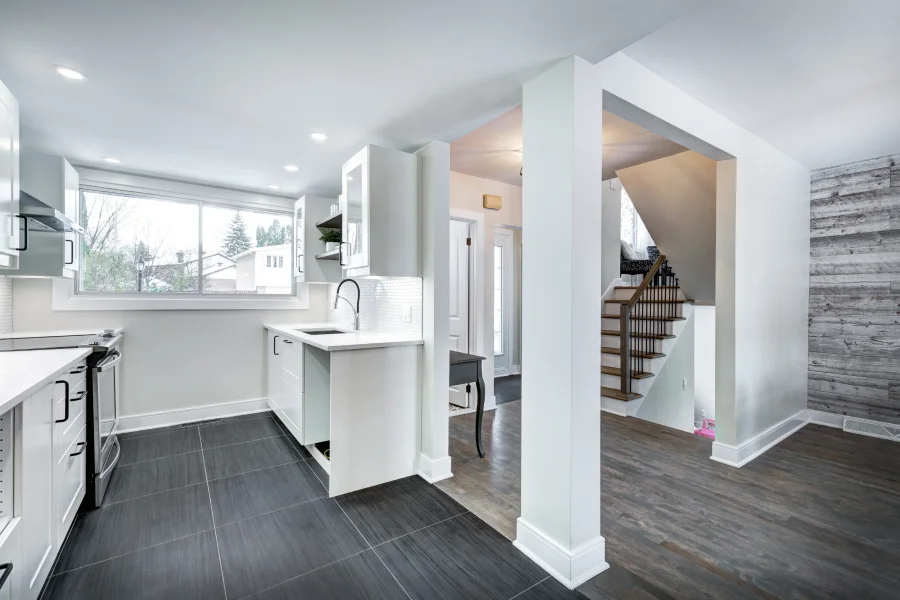
- Mistake: Undertaking a full luxury kitchen remodel before listing.
- Consequence: Draining home equity without a guaranteed proportional increase in the final sale price.
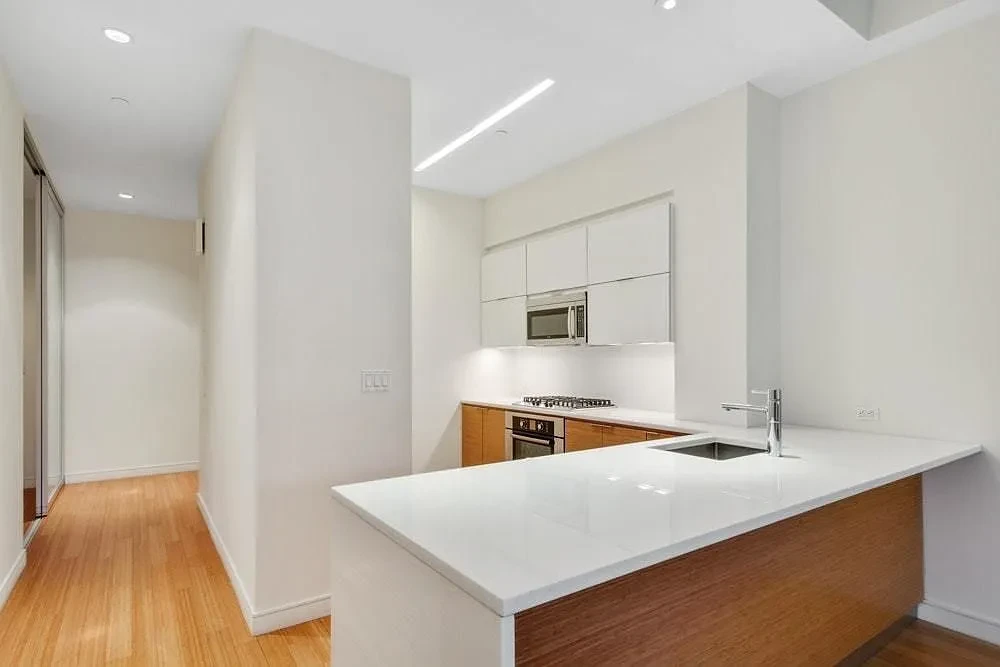
- Better Approach: Focus on a minor kitchen refresh, such as painting cabinets or updating hardware, if necessary. Consider minor home repairs for sale as a cost-effective alternative.
- Mistake: Leaving old, ungrounded electrical wiring unaddressed.
- Consequence: Creating a safety hazard that can halt the sale during the inspection or appraisal phase.
- Better Approach: Hire a licensed professional to resolve critical safety and building code violations.
What Does This Mean for NYC Homeowners?
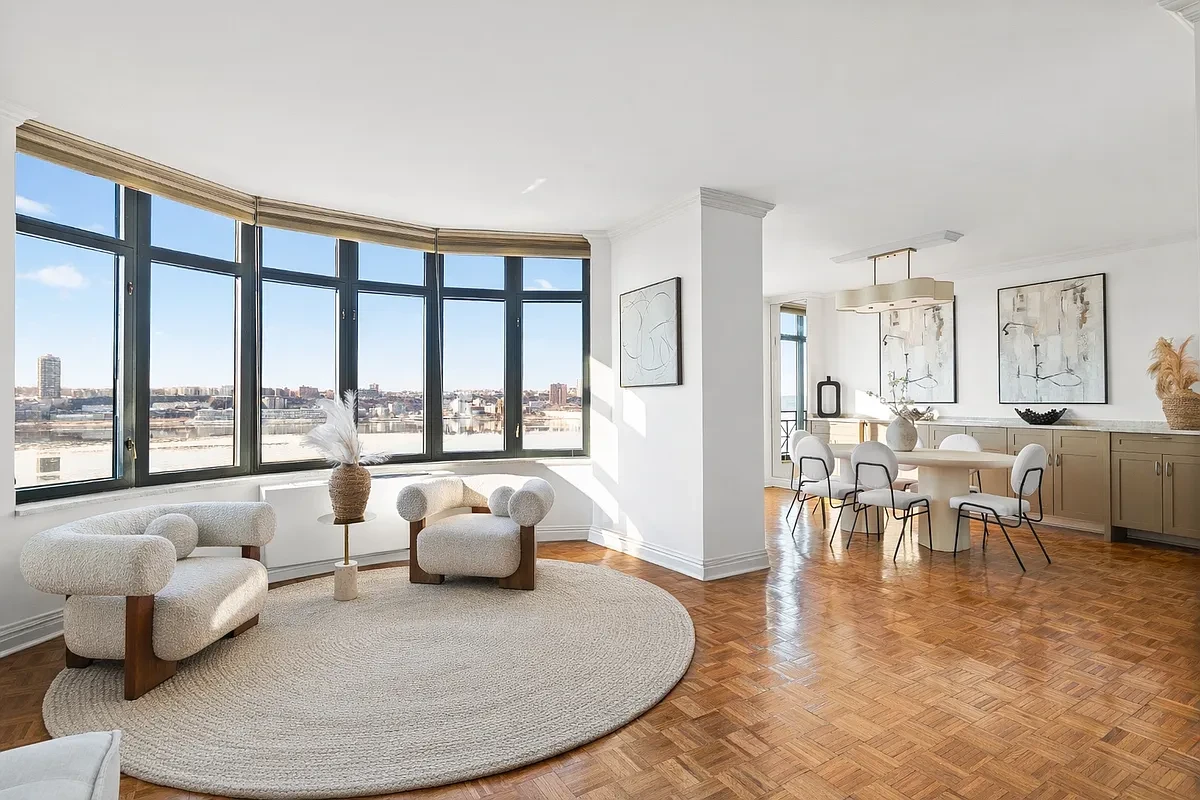
In the competitive NYC real estate market, buyers often have specific tastes and may prefer to customize spaces themselves. Over-personalizing a property can be a significant disadvantage.
Focusing on a clean, well-maintained, and functionally sound property allows buyers to envision their own style. This approach is particularly effective in NYC, where practical move-in readiness is highly valued. Professional staging services and interior painting can help prepare your home for showings.
Frequently Asked Questions
What is the most expensive mistake when preparing a home for sale?
The most expensive mistake is typically undertaking a major discretionary remodel, such as a luxury kitchen or primary suite addition, which rarely recoups its cost.
Should I replace old appliances before selling?
If appliances are functional, it is often better to offer a credit at closing rather than buying new models that may not match the buyer’s preferences.
Are minor cosmetic flaws worth fixing?
Yes, affordable fixes like touching up paint, fixing cracked caulking, and thorough cleaning can significantly improve the home’s presentation and buyer appeal.
How do I know which repairs are mandatory?
Mandatory repairs generally involve safety, structural integrity, and basic operability of systems like HVAC, plumbing, and electrical, which are required for most traditional mortgages.
Is it better to sell a house as-is?
Selling as-is can prioritize speed, but it usually requires a significant price reduction to account for investor risk and financing challenges.
Start Preparing Your Home for Sale the Right Way
Understanding what not to fix when selling a house is crucial for maximizing your net proceeds. By avoiding unnecessary major renovations and focusing on essential functional repairs, homeowners can navigate the selling process more effectively.
Prioritize safety, structural integrity, and high-impact cosmetic updates to attract buyers without overspending.
Ready to prepare your NYC home for a successful sale? Revamp To Sell offers comprehensive listing preparation services and strategic estate cleanout services to help you maximize your home’s appeal. Learn more about our process and contact us today for expert guidance tailored to your needs.