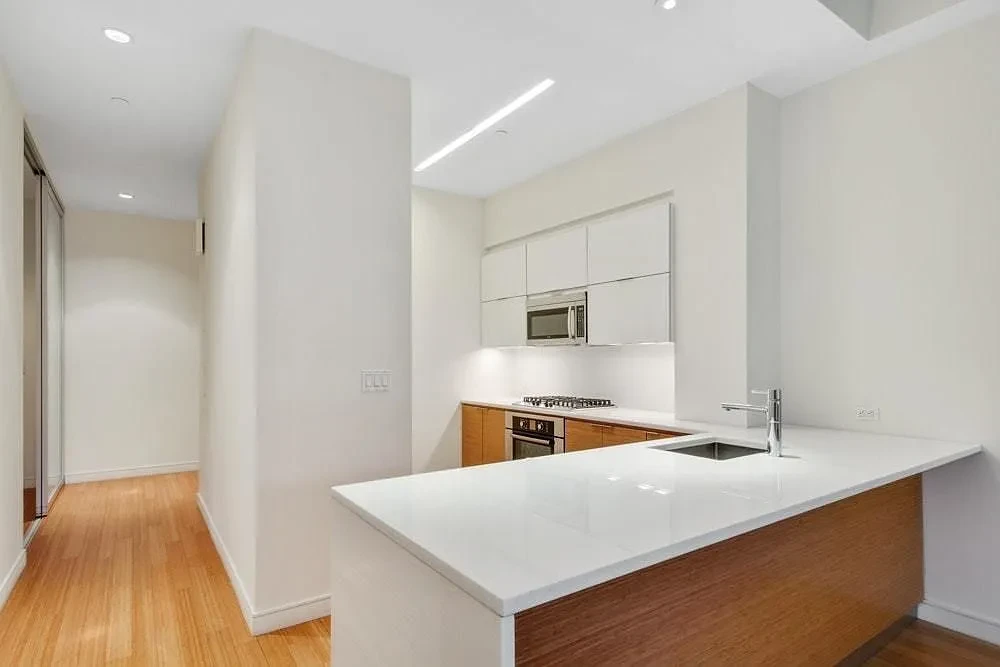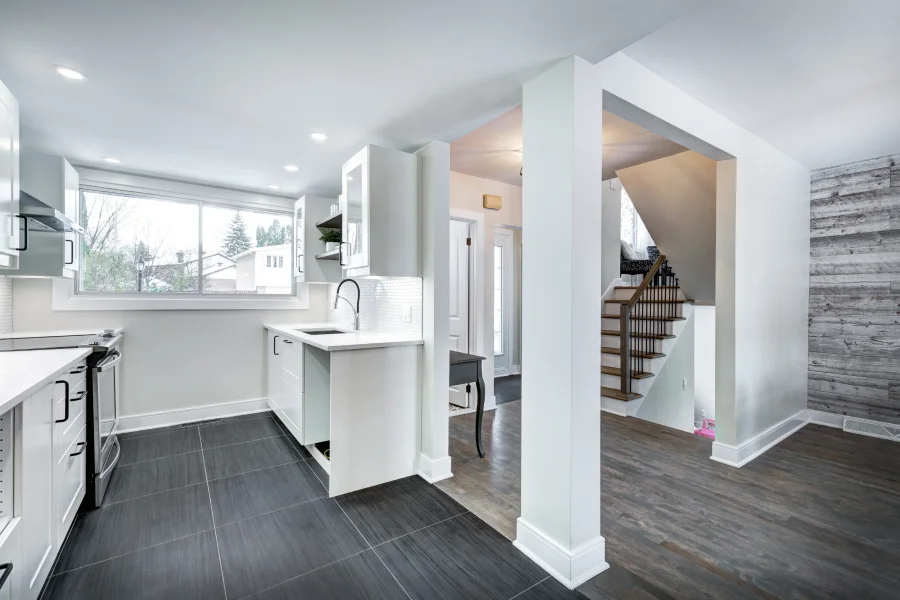
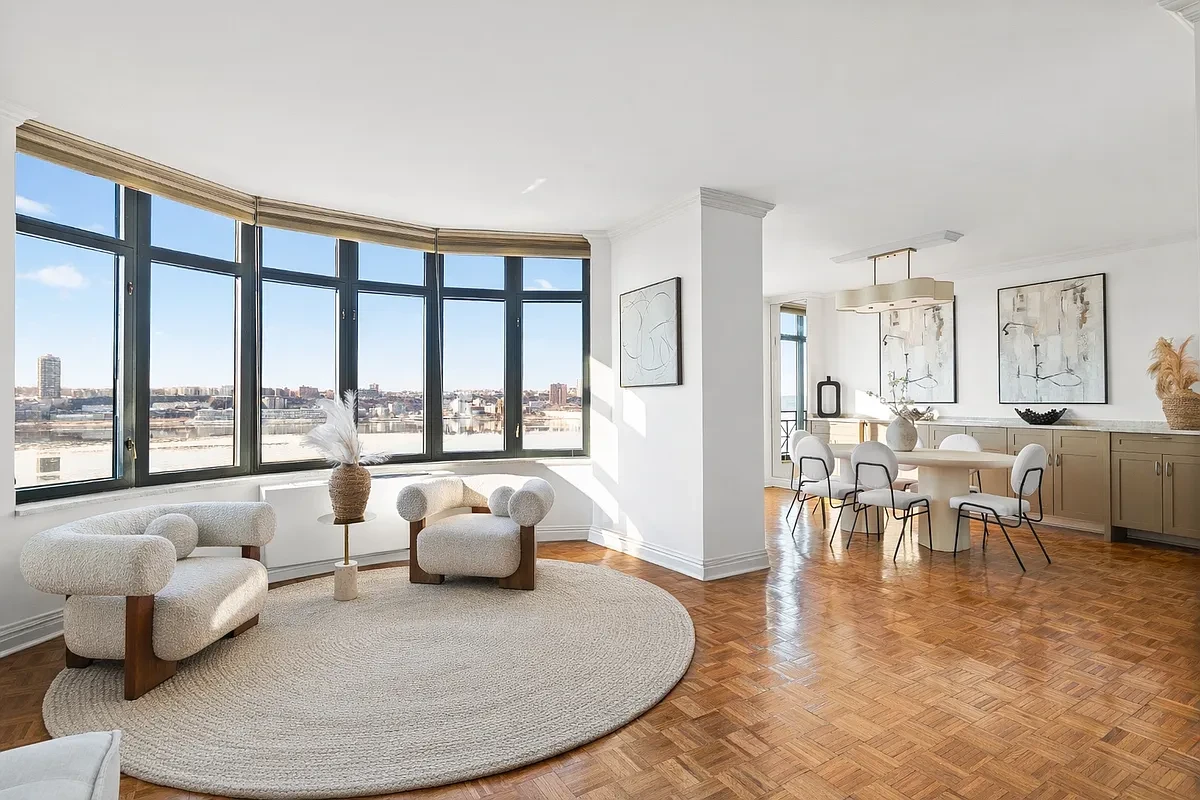
Key Takeaways
- As-is is a strategy, not a shortcut. The price, disclosure approach, buyer audience, and condition of the home still matter.
- Do not confuse as-is with no preparation. Decluttering, cleanup, paint, minor repairs, and floor touch-ups can be worthwhile even when you choose not to take on major work.
- Avoid automatic full renovations. The strongest pre-sale decision is often a targeted plan that addresses visible buyer concerns without over-improving the property.
Selling a house as-is means putting it on the market in its present condition and choosing not to make repairs or improvements as part of the sale. That can be a sensible path for an inherited property, a vacant unit, a home with extensive deferred maintenance, or a seller who needs to move on a defined timeline.
However, selling a house as is does not automatically mean doing nothing. The real decision is whether the cost, time, and disruption of updates are likely to improve the listing enough to justify them. In New York City, that answer can look different for a co-op, condo, brownstone, townhouse, or one-to-four-family property.
When Selling As-Is Is the Practical Choice
1. The Property Needs More Work Than Your Timeline or Budget Can Support
An as-is sale may be reasonable when the home needs extensive work that would delay the listing or strain the seller’s available funds. Examples can include widespread water damage, major system concerns, significant interior wear, or an inherited property that has not been updated in many years.
In these situations, the seller should focus on a clear condition assessment, realistic pricing, and an honest conversation with the listing agent about the buyer pool. A buyer may still inspect the home, and an as-is listing can still receive repair-related questions or requests. Zillow notes that as-is sellers commonly use a pre-inspection and full disclosure to help set expectations, particularly when the home will appeal to investors or buyers looking for a project.
2. The Property Has Strong Location or Layout Value Despite Its Condition
A home does not need to be fully updated to be desirable. A brownstone in a sought-after neighborhood, a well-located townhouse, an apartment with a strong layout, or a property with outdoor space may have enough inherent appeal to attract buyers even when it needs work.
The key is to market the opportunity honestly. If the floor plan, location, original details, or building appeal are the reasons a buyer will look past the condition, selling as-is may be the right choice. The asking price and listing language must reflect the work the buyer will inherit.
3. You Are Managing an Estate, a Vacant Property, or an Urgent Transition
Estate executors, landlords with vacant units, and sellers facing a move, financial transition, or compressed timeline may not have the capacity to manage an extended project. For these sellers, the question is not whether the property could be improved. It is whether completing the work is the most practical use of time and capital before the sale.
A sell-first walkthrough can help distinguish a true as-is situation from a property that needs only a short, high-impact preparation plan. Revamp To Sell can coordinate an assessment before a seller decides whether to prepare the home for sale or list it in its current condition.
When Targeted Preparation Is Usually Smarter Than Selling As-Is
As-is is not always the lowest-risk decision. If the home has primarily cosmetic issues, such as dark paint, scuffed walls, clutter, loose hardware, worn caulk, or scratched floors, doing nothing can cause buyers to assume there are larger problems behind the visible ones.
That is why the better alternative is often targeted pre-sale preparation. The goal is not to create a brand-new home. It is to remove the distractions that keep buyers from seeing the home’s actual value.
| Situation | Selling as-is may make sense when | Targeted preparation may be smarter when |
| Condition | The home needs extensive work beyond the seller’s budget or timeline | The issues are mostly visible, cosmetic, or limited in scope |
| Buyer audience | The likely buyer is comfortable taking on a project | The home needs to appeal to owner-occupants seeking move-in-ready condition |
| Timeline | Starting work would meaningfully delay the listing | A focused plan can be completed before photography and showings |
| Budget | The seller needs to preserve funds or price the home for its condition | Modest updates can reduce buyer objections and improve presentation |
| Property type | The value is strongly tied to location, layout, land, or redevelopment potential | The home’s character can stand out once clutter, wear, and visible defects are addressed |
For example, interior painting can reset a home with dated colors, while minor home repairs can address the small visible defects that make a property feel neglected. Floor refinishing may also be a better investment than replacing older hardwood that is still salvageable.
Should I Renovate Before Selling? Use This Decision Test
A full renovation is rarely the automatic answer. Before deciding to renovate, sell as-is, or complete limited updates, work through the following questions:
- What will buyers see first? List the obvious visual issues, such as clutter, damaged walls, worn floors, outdated colors, or unfinished repairs.
- Which issues are functional or safety-related? Separate those from cosmetic concerns. Buyers and inspectors may react very differently to water damage, leaks, mold, electrical concerns, or a failing major system than they do to dated paint.
- What would delay the listing? A large project may not fit a seller’s timeline, especially when the property is vacant, inherited, or already carrying ongoing costs.
- What does the property need to compete? Compare the home’s current condition with the buyer expectation for its type and price point, not with a hypothetical dream renovation.
- Which updates can be completed without over-improving? A defined plan can help you focus on presentation, maintenance, and buyer confidence instead of spending on finishes a buyer may replace.
Revamp To Sell’s listing preparation services are built around this decision. The team develops a prioritized recommendation, then coordinates the approved physical work through licensed and insured partners. That gives sellers a middle path between handling every task alone and committing to an unnecessary full renovation.
Selling As-Is in New York City: Do Not Overlook Disclosure and Property Type
As-is is a sales condition, not a substitute for understanding the property’s known issues. New York’s Property Condition Disclosure Statement explains that sellers of covered residential real property must provide information based on their actual knowledge before the buyer signs a binding contract. The form identifies one-to-four-family residential properties as covered and excludes condominium units and cooperative apartments. Property-specific obligations can vary, so sellers should discuss their situation with their real estate agent and attorney before listing.
This article provides general educational information, not legal advice. The important practical point is simple: an as-is strategy works best when the property’s condition, pricing, buyer expectations, and disclosure plan are aligned from the beginning.
The Bottom Line: Sell As-Is Only When It Serves the Sale
Selling a house as-is can be the right decision when major work is impractical, the property’s location or layout carries the value, or the seller needs a direct path to market. Yet many New York City sellers do better with a limited preparation plan that eliminates avoidable buyer concerns without over-renovating.
Revamp To Sell helps homeowners, agents, estate executors, and landlords decide which path makes sense before the listing goes live. Start with a strategic walkthrough and a transparent scope. If preparation is worthwhile, all physical work is coordinated through licensed and insured partners. If selling as-is is the smarter move, you will have a clearer basis for pricing and presenting the property.
Schedule a consultation to build a sell-first plan for your New York City property.
Frequently Asked Questions
Can I sell my house as-is in New York City?
Yes. Sellers can list a property in its current condition, but the strategy should account for the home’s known condition, the likely buyer audience, pricing, inspection expectations, and applicable disclosures. A real estate agent and attorney can advise on the details of a specific transaction.
Is it better to sell a house without repairs or make updates first?
It depends on the type and scale of the work. When the home needs extensive repairs beyond the seller’s budget or timeline, selling as-is may be practical. When the issues are mainly cosmetic or visible maintenance items, focused preparation can help the home show better without the cost of a full renovation.
Should I renovate before selling my home?
Not necessarily. Full renovations can add time, cost, and decisions without guaranteeing that a buyer will value every finish. A targeted pre-sale plan is often a better starting point because it helps you identify the updates that improve buyer perception and avoid the ones that are unlikely to support the sale.
Suggested Featured Snippet Answer
When does it make sense to sell a house as-is? It makes sense to sell a house as-is when the home needs significant work that does not fit the seller’s timeline or budget, when the property’s location or layout is its main value, or when an estate, vacancy, or transition requires a direct path to market. If the home mainly needs cosmetic updates or minor repairs, targeted pre-sale preparation may help buyers see its value without the cost of a full renovation.